Rethinking fleet strategy combining refurbishment with sale and leaseback
Can you extend fleet life, release capital, and avoid the cost of replacing trailers? When assets are still structurally sound, combining refurbishment with sale and leaseback can achieve all three. On top of that, together those bring the monthly lease rate down.
As Kristian Wundrack, International Strategic Accounts Director at TIP Group, explains: “When the trailer is in the right window, the case makes itself. Refurbishment combined with sale and leaseback increases the residual value and reduces the maintenance costs, and together those bring the monthly lease rate down. Operators can benefit from lower monthly lease rates while keeping capacity on the road.”
When is the right time to consider this approach?
A useful way to assess the opportunity is not to start with the age of the asset alone, but with the business question behind it: what does the fleet need to do next?
This approach may be worth exploring when operators need to:
- maintain capacity without committing to a full replacement programme;
- release capital from owned assets while keeping them in operation;
- improve trailer condition in a more planned and predictable way;
- reduce exposure to long lead times or high replacement costs;
- align fleet renewal with operational peaks, maintenance windows, or budget cycles.
"The starting point should always be the role the fleet needs to play next," says Wundrack. "Age matters, but it is only one part of the picture. When we review condition, expected utilization, maintenance history and future operating requirements together, we can make a much more strategic decision: where refurbishment can unlock more value and where replacement is the smarter option."
Total Cost of Ownership (TCO)
From a Total Cost of Ownership (TCO) perspective, combining refurbishment with sale and leaseback changes the financial equation of fleet renewal. Instead of tying up capital in replacement assets, operators can release cash from trailers they already own and spread renewal costs over the lease period.
TIP purchases the existing assets, creating an immediate cash injection. The trailers are then refurbished to extend their operational life and improve their condition, with the cost built into the lease rather than paid upfront. By improving residual value and reducing expected maintenance needs, refurbishment can support a more predictable and competitive monthly lease rate, while keeping familiar assets in use and avoiding the full upfront cost of buying new. This gives a near-new standard without the premium price tag.
“We can guarantee that a six or seven-year-old reefer looks like a two-year-old reefer and is on the same technical standard, which means more uptime and a longer life. But it only holds inside the sweet spot, roughly six years for a reefer, eight to ten for a standard curtainsider,” stated by Wundrack.
Not sure which assets still have more to give? Get in touch with TIP to review your fleet and identify where refurbishment as part of a sale and leaseback could create the most value.
Benefits of combining refurbishment with sale and leaseback
When evaluating an aging fleet, operators must weigh the operational, strategic, and environmental differences between standard replacement and structured life-extension:
|
Buy new |
Sale, refurbish and leaseback |
|
|
Upfront CAPEX |
High capital expenditure |
Refurbishment costs spread over the lease period |
|
Delivery lead time |
Subject to OEM backlogs and shipping delays |
Faster planning, executed locally often within weeks |
|
Asset lifetime |
Reset to year zero |
Refurbishment can extend the operational life of a trailer by 4 to 8 years, depending on asset type, condition and scope |
|
ESG |
Full manufacturing carbon footprint. New assets add manufacturing emissions to operator’s balance sheet. |
No manufacturing emissions. Lifecycle carbon shifts to TIP; operator only reports Scope 1 use. |
|
Operational risks |
Predictable maintenance; high initial depreciation |
Lowered maintenance costs, higher residual value and lower monthly lease rates |
Complete refurbishment without disruption
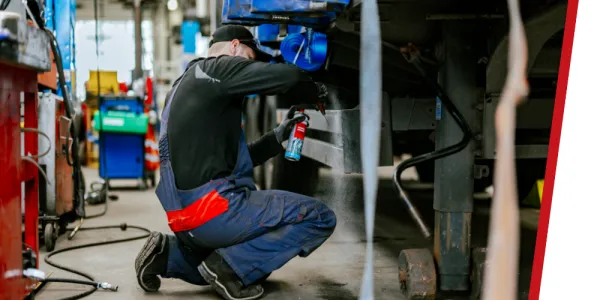
The transition to a refurbished fleet is planned around the way business operate. While ordering brand-new trailers can involve long lead times, refurbishment can be scheduled more flexibly through TIP’s European workshop network.
TIP works with its customers to schedule refurbishment around maintenance windows, quieter periods, or fleet rotation plans. Under a full-service lease, key wear-and-tear components – such as curtains, roofs, brakes, seals, and wiring harnesses – can be replaced with parts from leading manufacturers, helping extend asset life and improve reliability.
Want to explore this further? Learn more about Sale, refurbish and leaseback, or contact TIP.